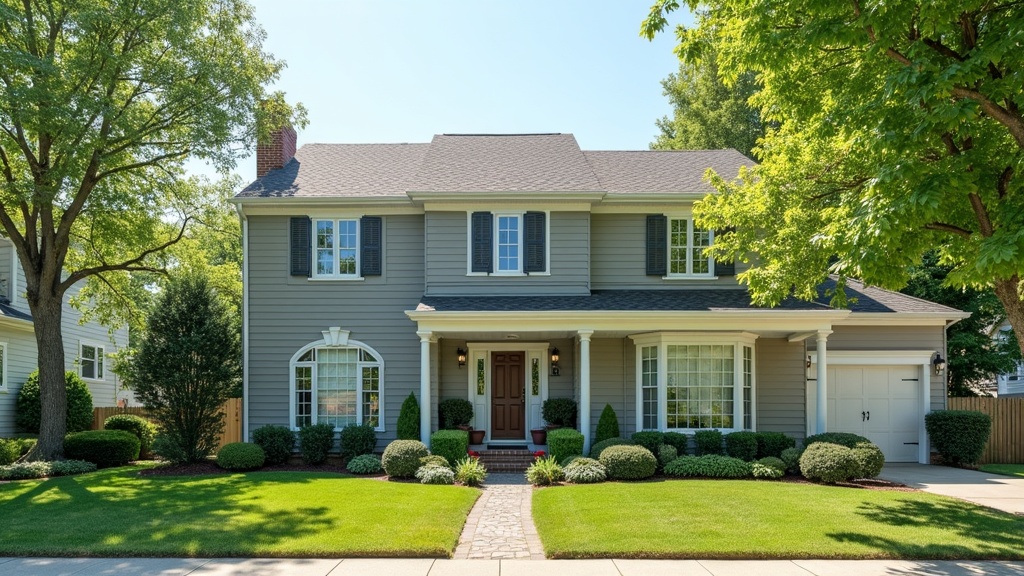
Selling your home without a real estate agent sounds simple until you are standing in your kitchen wondering what to do first. Most people who try it get overwhelmed by paperwork, unsure about pricing, and nervous about talking to buyers. That is completely normal. The truth is, thousands of homeowners sell their own homes every year and walk away keeping the full sale price. You can do the same. You just need a clear order of steps to follow.
Step 1: Price Your Home the Right Way From the Start
Pricing is the most important decision you will make. Too high and your home sits on the market for months. Buyers start to wonder what is wrong with it. Too low and you leave real money on the table.
Start by looking up recent sales in your neighborhood. Go to Zillow or Realtor.com and search for homes that sold in the last 90 days within a half-mile of your address. Write down the sale prices, square footage, and number of bedrooms. You want homes that are similar to yours, not the biggest or the smallest on the street.
Once you have five to ten comparable sales, average out the price per square foot. Multiply that number by your home's square footage. That gives you a solid starting point. You can also pay a licensed appraiser $300 to $500 to give you a formal opinion of value. That fee is worth every penny because it gives you confidence when a buyer tries to negotiate you down.
Step 2: Get Your Home Ready Before Anyone Walks Through the Door
Buyers decide how they feel about a home in the first 30 seconds. That feeling starts before they even get out of the car. A tidy yard, a clean front door, and a house that smells fresh make a real difference.
Walk through your home with fresh eyes, or better yet, ask an honest friend to do it. Write down anything that looks worn, dirty, or broken. Fix the leaky faucet. Replace the burned-out bulb in the hallway. Put away the family photos and the pile of mail on the counter. Buyers want to picture themselves living there, not feel like they are visiting someone else's house.
Deep clean everything, including inside the oven and the corners of the bathroom. Rent a storage unit for $80 to $100 a month and move out the extra furniture. A room with less in it looks bigger. Paint over any scuffed or brightly colored walls with a neutral color like light gray or warm white. These small changes cost a few hundred dollars and can add thousands to what buyers are willing to pay.
Step 3: List Your Home Where Buyers Are Actually Looking
Most buyers today find homes online, and most of them search on Zillow, Realtor.com, and Trulia. If your home is not on those sites, most buyers will never see it. You can get your home listed on the Multiple Listing Service, which feeds all those websites, through a flat-fee MLS service. These services charge between $100 and $400 instead of a full agent commission.
Your listing needs good photos. Bad photos are the number one reason buyers skip a home online. You do not need a professional photographer for every home, but your pictures do need to be bright, clear, and taken from the corner of each room to show as much space as possible. Open every curtain, turn on every light, and take photos during the day.
Write a description that tells buyers what is actually special about your home. Mention the big things first: number of bedrooms and bathrooms, the size of the yard, the age of the roof or HVAC system. Then add the details that make your home feel like home, like the quiet street, the covered porch, or the extra-large garage. Keep it honest and keep it specific.
Common Mistakes to Avoid
Skipping the disclosure paperwork. Every state requires sellers to disclose known problems with the home in writing. This includes things like a past roof leak, a repaired foundation crack, or an HVAC system that is on its last legs. Skipping this step can get you sued after the sale closes. Download your state's required disclosure forms and fill them out honestly before you accept any offers.
Being home during showings. It feels natural to want to be there to answer questions. But buyers feel uncomfortable when the seller is in the room. They rush through the house without really looking. They do not say what they are thinking. Give buyers a lockbox code and leave for an hour. Let them look at the house the way they want to look at it.
Taking the first offer personally. Buyers are going to come in lower than your asking price. That is not an insult. That is how negotiating works. Have a number in your head that represents the lowest you will accept, and stick to it. Respond to every offer in writing and keep the conversation going. A low first offer can still lead to a fair final deal.
Forgetting about closing costs. Even without a listing agent, you will likely still pay the buyer's agent commission, which runs between 2.5% and 3% of the sale price. You will also pay for title insurance, transfer taxes, and any repairs the buyer's inspection turns up. Budget for these costs before you set your price so you are not caught off guard at the closing table.
You Do Not Have to Do This Yourself
Skip the agent commission and use our ready-made FSBO forms, the same ones professionals use, available for instant download.